Customer reviews are invaluable in shaping your brand, building trust, and swaying purchase decisions. However, not all review platforms are created equal. Businesses must weigh the pros and cons of open versus closed review systems to determine the best fit.
Closed platforms offer quality control; open platforms drive quantity and engagement. We’ll explore the key differences and help you make the right call.
Closed review platforms allow only verified customers to post feedback, overseen by robust moderation. This significantly reduces the risk of fake or irrelevant reviews. Visitors recognize the credibility of pre-approved content, making them more likely to trust and absorb the information.
Limiting contributors also keeps things on-topic and constructive. There’s less likelihood of inappropriate or harmful content derailing discussion. Brands can shape the narrative while still benefiting from authentic customer perspectives.
For brands that value consistency, transparency, and control, closed systems tick all the boxes. The emphasis on legitimacy and trust appeals to users focused on reliability over volume.

Open review platforms have no barriers to entry. Any site visitor can share their thoughts without authorization or verification. This invariably increases review numbers and delivers more user-generated content overall.
More reviews mean more opportunities for search engine optimization. The influx of unique new content can boost page rankings and visibility. For brands focused on expansion and engagement metrics, it’s a clear win.
There’s also the community aspect to consider. Open platforms foster discussion between contributors, forging connections and loyalty. Consumers feel invested when given an accessible forum for opinions.
Potential drawbacks like inauthentic or irrelevant reviews may be an acceptable compromise given the SEO and traffic benefits.
When selecting a review platform, consider your target audience, brand values, and business objectives carefully.
Closed systems make sense if credibility and trust are paramount. Open platforms deliver on volume, outreach, and community. Align your choice with the visitor experience you want to cultivate.
With clear goals and audience insights, choosing the right review platform doesn’t have to be an either/or decision. Many brands operate a multi-channel approach, utilizing both open and closed platforms tailored to purpose.
Leverage the strengths of each while mitigating the weaknesses to craft a review solution aligned with your growth strategy. Reviews are invaluable assets when optimizing for trust, reach or a hybrid of both. Define your terms, then deliver accordingly.
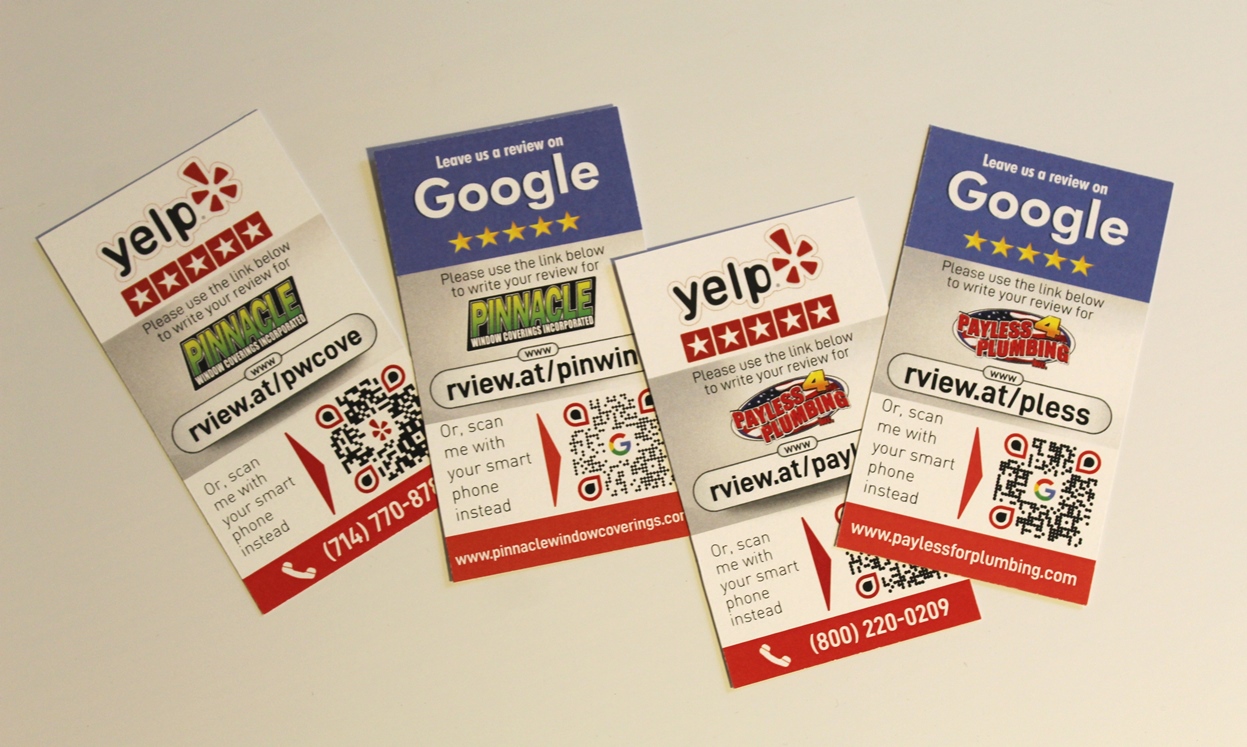
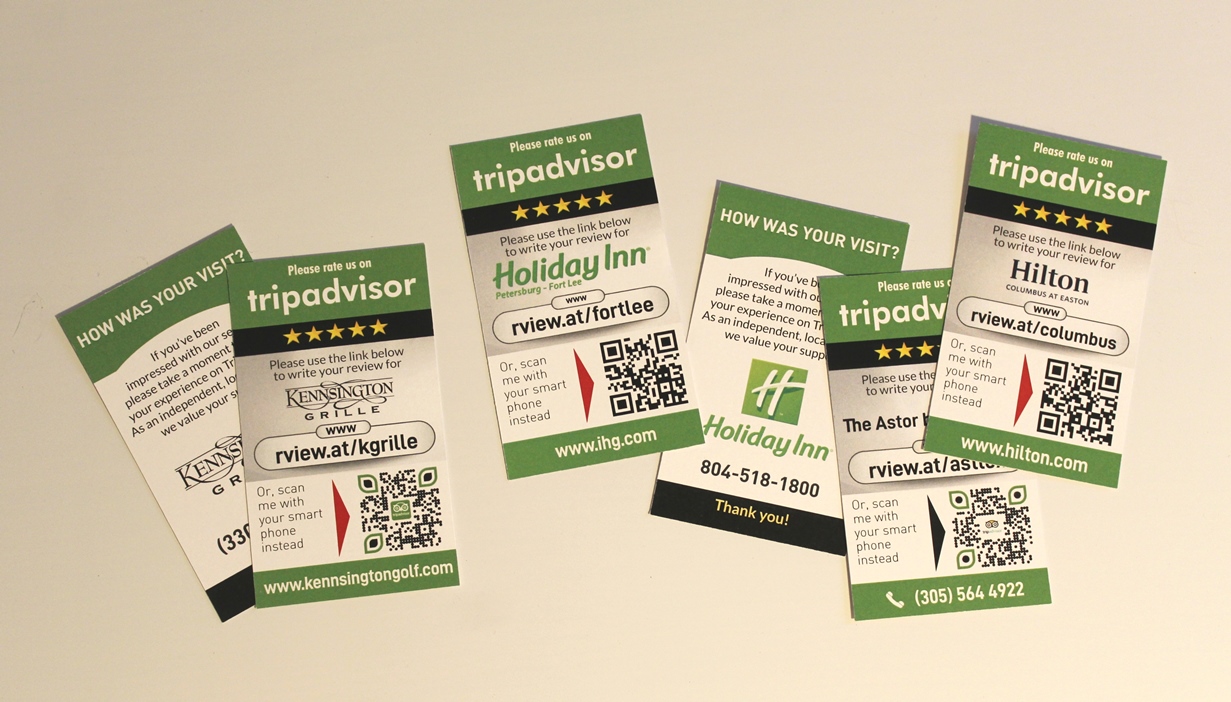
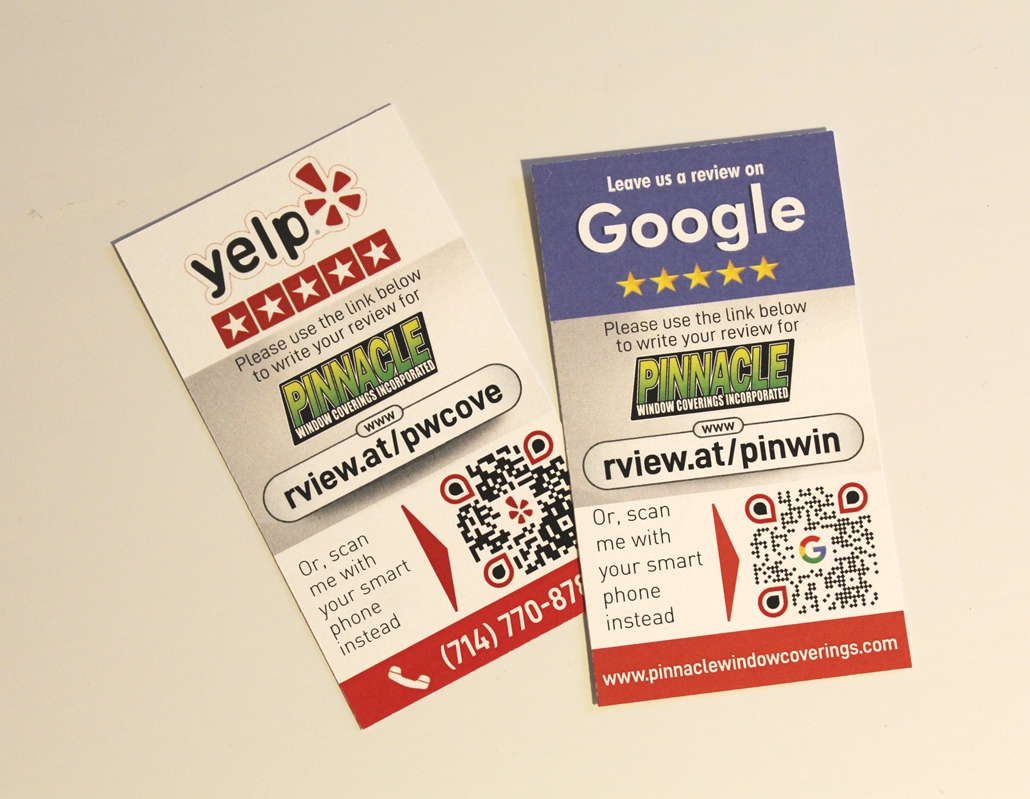
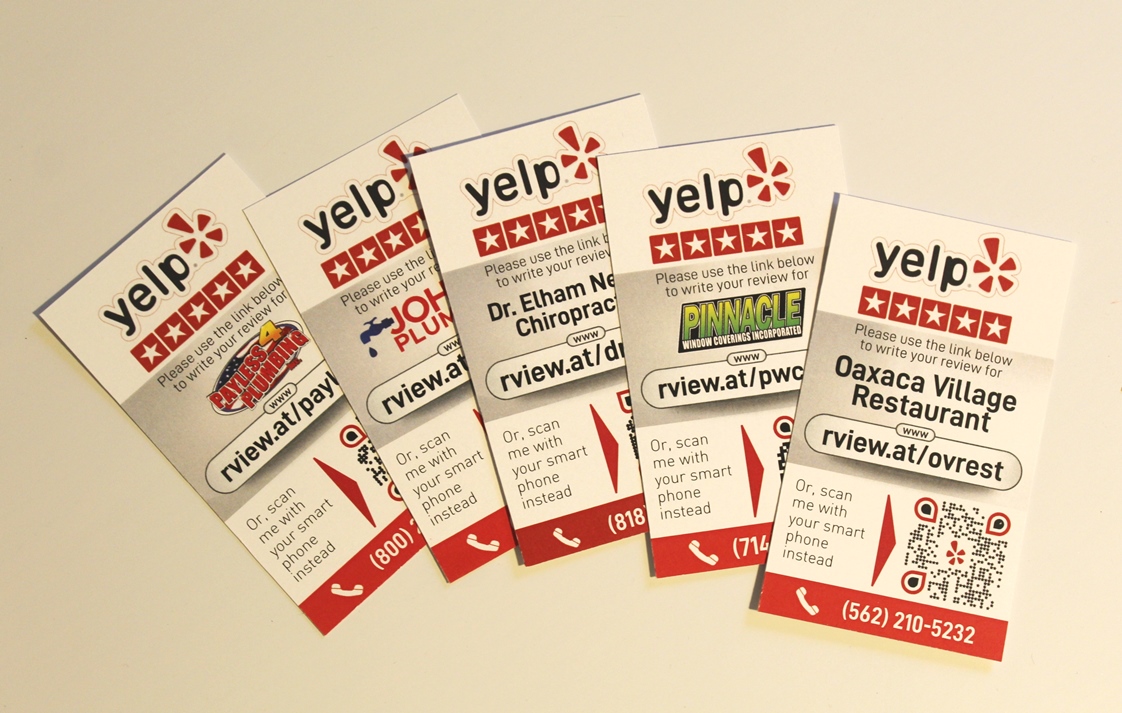
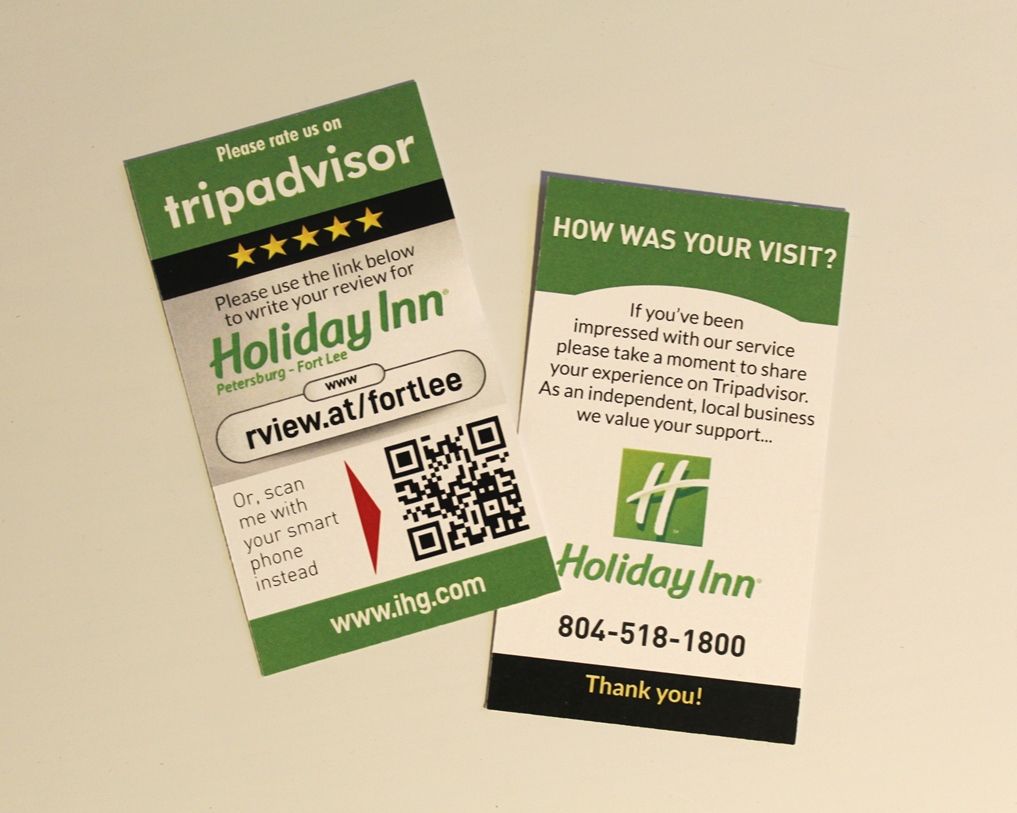
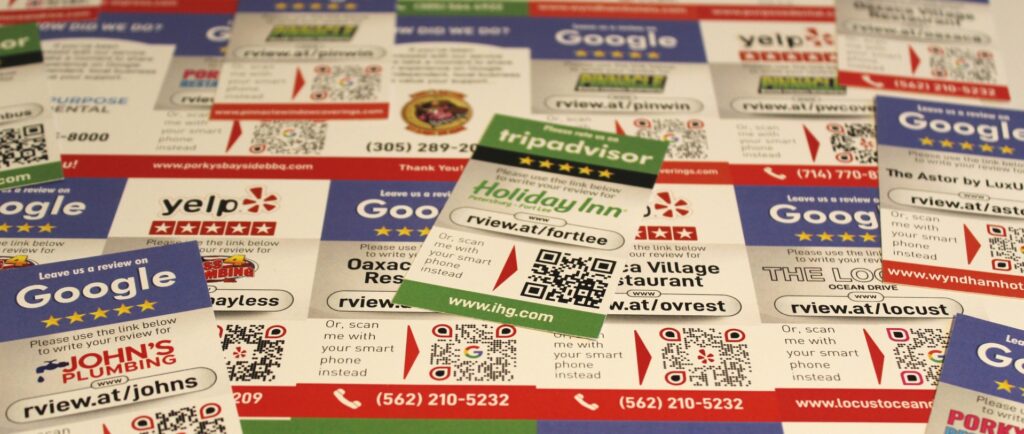
Review cards are designed to enable happy customers to leave you an on-line review in seconds. They are fully personalized and take people directly to your review page, cutting out all the hassle of them trying to find it using traditional search methods.
Furthermore, the impact of online reviews extends to product discovery, with 83% of shoppers relying on reviews to explore and learn about new products. This highlights the pivotal role of a positive online reputation for businesses of all sizes and industries. It is clear that a strong presence on review platforms can significantly influence the visibility, credibility, and success of businesses, making it imperative for organizations to prioritize and cultivate a positive online reputation through customer reviews. This reflects the powerful influence of customer feedback on the decision-making process, thereby emphasizing the critical role that reviews play in shaping consumer behavior and business outcomes.
Asking for reviews from customers holds great significance in the business landscape. Not only does it contribute to building a robust online reputation, but it also plays a pivotal role in influencing consumer behavior. For instance, a study found that 72% of customers trust online reviews as much as personal recommendations, underscoring the immense impact of customer feedback on purchasing decisions. This indicates that businesses can leverage the power of positive reviews to establish trust and credibility among potential customers, ultimately driving sales and revenue. This makes understanding how tdo you ask a customer for a review a vital part of every business’s strategy for success.
Moreover, the benefits of soliciting reviews extend beyond reputation management. Research has shown that obtaining more reviews can lead to increased visibility and business growth, as an overwhelming 93% of consumers rely on online reviews to make informed purchase decisions. This emphasizes the crucial role of customer feedback in shaping the perception of a business and its offerings. Additionally, the trust and credibility associated with online reviews have been found to be as influential as personal recommendations, further highlighting the value of authentic customer feedback in influencing consumer behavior. This underscores the need for businesses to actively seek reviews from satisfied customers to bolster their online presence and attract new prospects.
In essence, the practice of asking for reviews from customers not only contributes to fostering a positive online reputation but also serves as a powerful tool for influencing consumer behavior and driving business success. By recognizing the significance of customer feedback and leveraging it effectively, businesses can create a competitive edge in the digital landscape and establish a loyal customer base.
How do you ask a customer for a review – When it comes to soliciting reviews from customers, it’s essential to implement proven strategies that have been shown to be effective. One of the key strategies is to create a systematic approach for requesting reviews. This can involve establishing a consistent process for reaching out to customers after they have made a purchase or used a service, ensuring that no opportunity for feedback is missed. By creating a systematic method, businesses can proactively seek reviews without being overly aggressive or haphazard in their approach, thereby increasing the likelihood of receiving valuable customer feedback.
Another important strategy is personalizing the request for reviews. Personalization can make customers feel valued and appreciated, increasing the likelihood that they will take the time to leave a review. For example, instead of sending a generic review request, a personalized message addressing the customer by name and referencing their specific purchase or interaction can significantly enhance the effectiveness of the review solicitation process. When considering How do you ask a customer for a review don’t be worried about asking – usually customers are more than happy to help
By tailoring the request to each individual customer, businesses can demonstrate a genuine interest in their feedback, which can lead to more meaningful and insightful reviews.
In addition to personalization, providing clear calls-to-action is crucial for prompting customers to leave reviews. Whether it’s through email, SMS, social media, or in-app prompts, businesses should ensure that the process of leaving a review is straightforward and user-friendly. By including direct links or buttons that lead customers directly to the review platform, the likelihood of them following through with the review process is greatly increased. Clear calls-to-action reduce friction and make it as easy as possible for customers to share their experiences, ultimately resulting in a higher volume of valuable reviews for the business. That’s why Review cards are so effective as they make the issue of how do you ask a customer for a review much easier.
How do you ask a customer for a review – Review cards are an innovative and convenient method for encouraging satisfied customers to leave online reviews. These cards are fully personalized, typically including the business logo and contact details, which makes them more visually appealing and recognizable to customers. Moreover, the process is as simple as 1-2-3, where customers receive the card and are directed to the review page by scanning a QR code or typing a short link, allowing them to leave a review in a matter of seconds. For instance, a restaurant that provides review cards along with the bill can significantly increase its chances of receiving positive feedback from delighted customers who have just enjoyed a great dining experience.
Furthermore, the use of website cookies to enhance the user experience demonstrates the commitment to customer satisfaction and privacy. By offering privacy settings for consent, businesses can reassure customers that their data is being handled responsibly, thereby building trust and encouraging more customers to leave reviews. This approach not only simplifies the process for the customer but also demonstrates the business’s dedication to providing an efficient and secure platform for expressing feedback. For instance, a boutique hotel that offers review cards upon check-out can create a positive and memorable experience for guests, leading to an increased likelihood of receiving favorable reviews.
Maintaining ethical practices in review solicitation is crucial for building a trustworthy online reputation and fostering genuine customer feedback. It’s essential to refrain from paying for reviews, coercing individuals to write reviews, or providing incentives for reviews. For instance, offering monetary compensation or free products in exchange for positive reviews can compromise the authenticity of customer feedback and erode consumer trust in the business.
Furthermore, negative reviews should be embraced as valuable opportunities for improvement rather than shunned. By handling negative feedback constructively, businesses can demonstrate a commitment to addressing customer concerns and continuously enhancing their products or services. For example, a restaurant receiving a negative review about slow service can respond by acknowledging the issue, apologizing, and outlining steps taken to improve the speed of service. This proactive approach not only mitigates the impact of the negative review but also showcases the business’s dedication to customer satisfaction and continuous improvement.
Ultimately, engaging with customers and genuinely valuing their opinions is paramount for fostering a positive environment for customer feedback. By actively listening to customer experiences, responding to their reviews, and implementing constructive feedback, businesses can build trust and credibility, thus reinforcing their reputation and customer relationships.
So when asking How do you ask a customer for a review don’t forget that the significance of customer reviews in today’s business landscape cannot be overstated. Online reviews have become a cornerstone of customer acquisition and retention, playing a pivotal role in influencing purchasing decisions for a vast majority of consumers. For instance, 83% of shoppers rely on online reviews to discover new products, underscoring the importance of maintaining a positive online reputation for businesses across various industries. This makes it imperative for businesses to actively seek customer feedback and leverage it to enhance their online presence and credibility.
Furthermore, the benefits of asking for reviews from customers are multifaceted. Not only do reviews contribute to building a good online reputation, but they also significantly impact a business’s visibility and potential for growth. Research indicates that obtaining more reviews can lead to increased visibility and business, with 93% of consumers reading reviews online before making purchase decisions. Moreover, the trust and credibility associated with online reviews are as influential as personal recommendations, highlighting the value of customer feedback in shaping consumer perceptions. Businesses can harness these benefits by implementing effective and ethical review solicitation practices, ensuring that customer feedback remains authentic and reliable.
In conclusion, businesses are encouraged to embrace ethical and effective review solicitation practices as a means of nurturing genuine customer feedback and safeguarding their online reputation. By leveraging customer reviews responsibly, businesses can enhance their credibility, visibility, and ultimately, their success in the digital marketplace.
To order your review cards for your dental practice click here. It’s nice and simple and don’t forget – We’ll create all the links and QR code and provide proofs for you to check before we print them.
How do you ask a customer for a review | Review Cards | Get more Reviews
If you have enjoyed reading this article called How do you ask a customer for a review you may be interested in other articles too – Click here to see more
How do you ask a customer for a review | Review Cards | Get more Reviews